Where we come out Buy it for pulse on thin metal. For plate and gates, €100 machines do the same work.
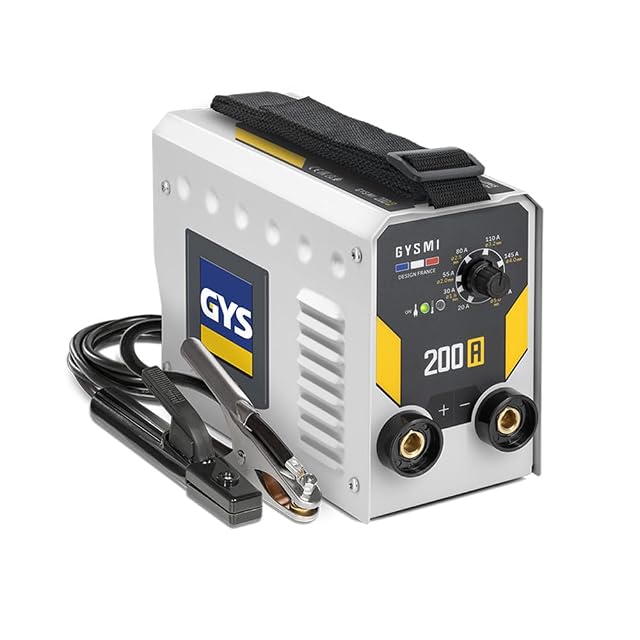
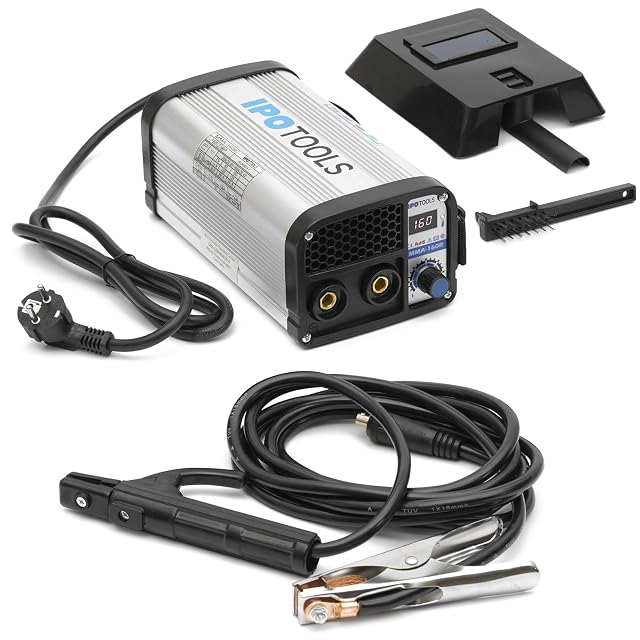
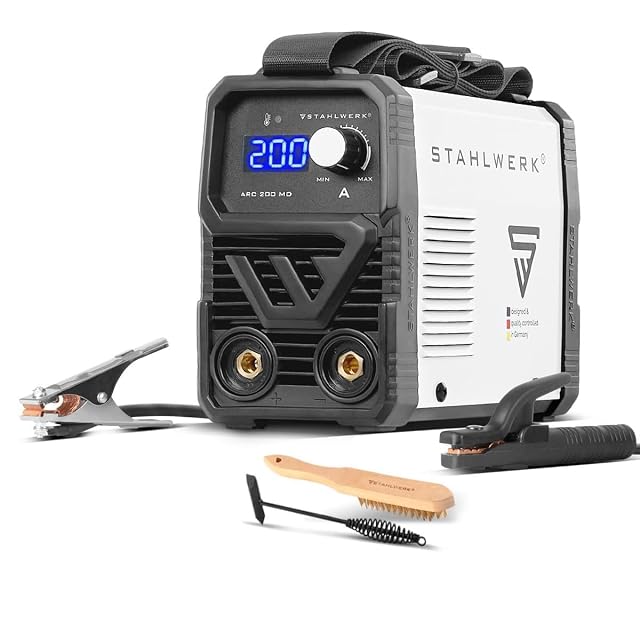
Two hundred and sixty dollars for a stick machine, when €100 buys 200 A elsewhere on this page. The justification is one feature and one number.
Pulse, on a stick arc
Pulsing is normal on TIG and rare on MMA. It alternates the current between a peak that melts and a background that lets the pool freeze slightly, so the average heat going into the metal drops while the arc stays lit. What that buys is thin material: exhaust tube, a rusted sill, an old gate whose section has wasted away. A steady 90 A arc will open a hole in those; a pulsed one will not.
If your work is 5 mm (0.20 in) plate and gate frames, this does nothing for you and you should buy a cheaper machine.
The range, not the ceiling
Ten to two hundred amps, continuously variable. As on the TIG machines earlier in this batch, the low figure is the one that took engineering: a stable arc at 10 A is what makes delicate repair possible. Every machine on this page reaches 200 A; almost none publishes where it starts.
The three helpers, all present
Hot start, arc force and anti-stick. Cheaper machines list one or two; this one lists all three, and they act at different moments — striking, pushing in, and getting free when the rod does stick.
Sources
Current range, processes, pulse, features and part number come from the manufacturer’s published specification. No duty cycle is stated there, and none is invented here. Market availability was verified per market on the EAN.
Prices quoted in this text were read on 2026-08-13. The live price is at the top of the page.
What it handles, and what it will not
Strengths
Pulse in stick mode — uncommon, and the reason thin material survives
A published range from 10 A, not just a 200 A ceiling
Hot start, arc force and anti-stick all present rather than picked from
Compromises
€260 is TIG-machine money for a stick machine
Lift TIG needs the optional torch and gives no HF start
No published duty cycle
Specifications
Current range
10–200 A, continuously variable
Processes
MMA and lift TIG
Pulse
In both MMA and lift TIG modes
Features
Hot start, arc force, anti-stick
Display
Digital
Part number
1020
Amazon reference
B0CG9DGK1M
EAN
4260294080201
The questions welders ask
What does pulsing do on a stick electrode?
It alternates between a current that melts and a lower one that lets the pool cool a fraction, so the average heat into the workpiece falls without losing the arc. On thin or corroded sheet — an exhaust, a sill, an old gate — that is the difference between joining it and opening a hole. On thick steel it changes very little, which is why most stick machines do without.
Is anti-stick separate from hot start and arc force?
Yes, and all three do different things. Hot start lifts current as you strike so the rod lights. Arc force adds current when the arc shortens so it does not stall. Anti-stick does the opposite: when the electrode does touch and short out, it cuts the current so the rod can be pulled free without glowing red and ruining its coating. Having all three is what makes a cheap electrode forgiving.
Our score
8.1/ 10
Buy it for pulse on thin metal. For plate and gates, €100 machines do the same work.
Price and availability, for welding machines
A reference exists on these Amazon stores: France, Germany, Italy, Spain, United Kingdom. Listed is not the same as in stock — availability changes daily.
Details checked on August 13, 2026.
Who this one is for, among welding machines
Repairs on thin or rusted sheet where a steady arc would cut straight through
Consumables confirmed for this machine
Here because the consumable states this machine by name.
Specifications: the manufacturer sheet for welding and metalworking machines and the matching Amazon product page. Prices and availability: Keepa. Every figure on this page names its source.