Two jobs, not one
Fluid cools the cutting edge and it lubricates the chip so it slides out of the flute instead of welding itself to the tool. The second job is why fluid helps at low speeds where nothing is getting hot: a chip that packs in a tap flute is what breaks the tap.
Steel and stainless
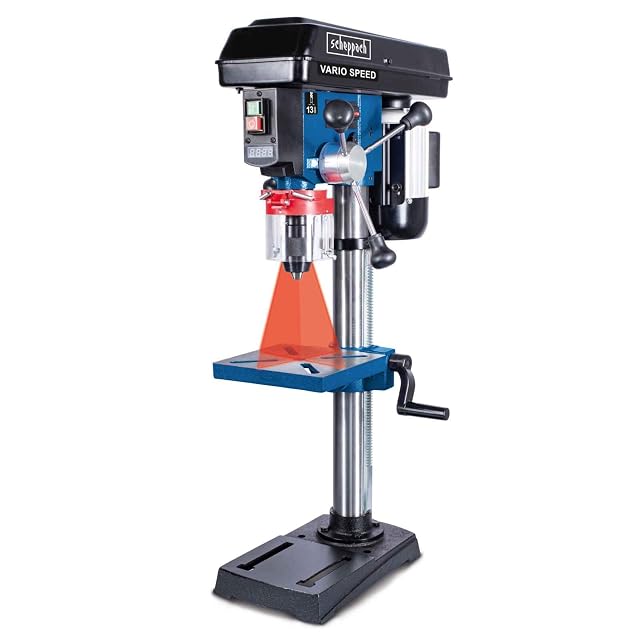
A general-purpose cutting oil or an emulsifiable soluble oil works for both. Apply generously and often — a drop at the start does nothing once it has boiled off. On a drill press, brushing fluid into the hole every few seconds is normal practice, not fussiness.
Aluminum is the exception
Aluminum welds to cutting edges rather than abrading them. Paraffin, white spirit or a dedicated aluminum fluid works far better than standard cutting oil, and plain water is better than nothing. If the bit is picking up shiny deposits, the fluid is wrong rather than the speed.
Cast iron: dry
Cast iron machines dry by convention — its graphite content is self-lubricating, and fluid turns the dust into an abrasive paste. Extraction matters more than lubrication there.
The questions welders ask
Can I use engine oil?
It is better than nothing and worse than cutting oil. Engine oil is formulated to reduce friction at low pressure, not to withstand the extreme pressure at a cutting edge, so it burns off and leaves a residue. A liter of proper cutting oil costs little and lasts years in a home workshop.
Do I need fluid on a band saw?
On a machine with a coolant system, yes — it doubles or triples blade life in steel. On a machine without one, a brush of fluid on the blade before each cut is worth the two seconds. The exception is cutting aluminum, where flood coolant can be more nuisance than help on a small saw.
Last reviewed 2026-08-14