Skip to content

Güde GMT 355-2300 vs Evolution Power Tools S355MCS

Is a cold-cut saw worth seven times an abrasive one?

Both cut 355 mm (14 in) through steel section. One grinds the metal away in a shower of sparks; the other shears chips out at low speed and leaves an edge you can weld without dressing.

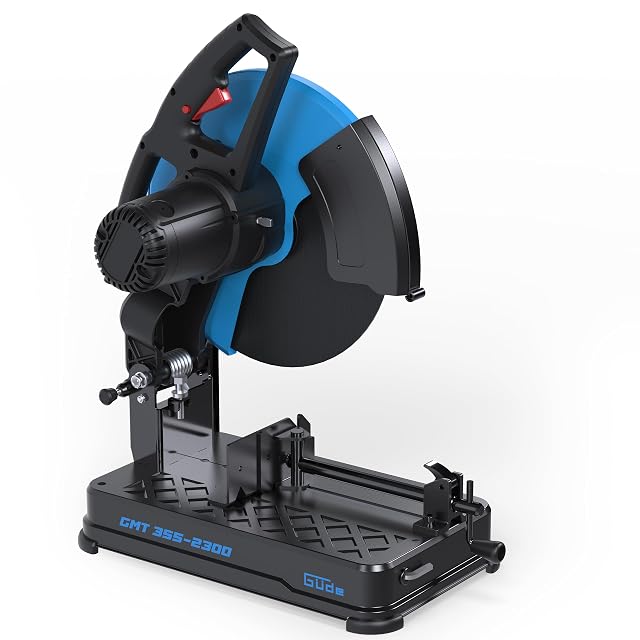
Güde GMT 355-2300, product photograph

Güde GMT 355-2300

7.2/10

Wins 1 of 8

Search Amazon

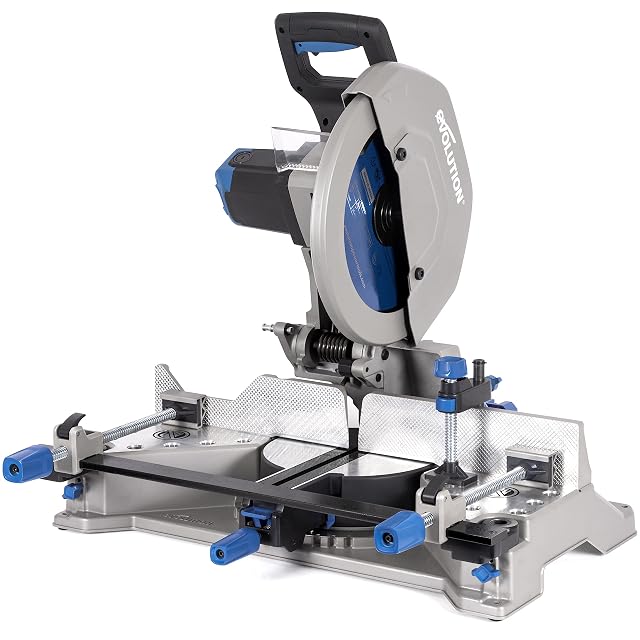
Evolution Power Tools S355MCS, product photograph

Evolution Power Tools S355MCS

8.4/10

Wins 4 of 8

Search Amazon

Rating against rating

Compared on GMT 355-2300 S355MCS
Cutting principle Abrasive disc TCT carbide blade, cold cut
Power 2,300 W 2,200 W
Mitre range −15° to 45° ±46°, micro-adjustable
Edge after cutting Hot, blued, burred — needs dressing Cool and clean
Sparks Heavy shower Almost none
Consumable cost A few dollars per disc Expensive blade, resharpenable
Price ≈ €120 ≈ €880
Listed on amazon.com No No

A tick marks the better answer on that line only. Counting ticks does not decide the page — the two verdicts below do, because these machines answer different questions.

Which of the two, for which metal

GMT 355-2300

No amazon.com listing was found for this one. We hold references for other markets but none for the United States, so it may not be buyable here — which is the first thing to weigh against anything below.

Buy the Güde if you cut occasionally and the noise is nobody else’s problem. It is the cheapest way to cut steel section square, and the dressing afterwards is a minute per cut.

S355MCS

No amazon.com listing was found for this one. We hold references for other markets but none for the United States, so it may not be buyable here — which is the first thing to weigh against anything below.

Buy the Evolution if you cut daily. Count the minute of dressing on every cut across a year and the price difference becomes arithmetic rather than luxury — and the workshop stays usable while it runs.

The questions welders ask

What exactly does « cold cut » mean?

The blade shears chips out of the steel at a low rim speed instead of grinding it away. The energy leaves in the chips rather than as heat in the workpiece, so the offcut stays cool enough to hold, there is no blueing, almost no spark shower, and the cut face is clean enough to weld or paint as it is.

Which has the lower running cost?

It depends on volume. Abrasive discs are cheap and wear out fast, shrinking as they go so the maximum cut depth falls with them. A carbide blade costs many times more, lasts a very long time in steel and can be resharpened — but a crash into an unclamped workpiece takes teeth off, and that is an expensive noise.

The complete write-up on each

Prices quoted in these summaries are dated readings. The live price is shown next to each product.