Where we come out The capacity choice: it fits the work the smaller lathes here turn away.
Capacity first
Two hundred and twenty by six hundred is the specification that decides whether a job is possible at all. Everything else — finish, convenience, longevity — only matters once the part fits.
What to check before ordering
Weight and bench. A lathe of this size needs a solid, level base and a socket near it, and moving one alone is not sensible. Plan the location before the delivery, not after.
Sources
Every figure above comes from the manufacturer’s published specification for this reference. Fields the listing does not publish are left out rather than estimated. Market availability was verified per market on the EAN.
What it handles, and what it will not
Strengths
600 mm (23.6 in) between centers: long shafts and bars fit
A brushless motor — no brushes to wear, and constant torque
A 125 mm (4.92 in) chuck is a usable size, not a token one
Compromises
Not sold on the American or British stores at the time of checking
€1,206 before tooling, and heavy to place
Stepless electronic speed alone can lose torque at the bottom
Specifications
Capacity
220 × 600 mm (8.66 × 23.6 in)
Motor
750 W brushless, stepless speed control
Chuck
125 mm (4.92 in) three-jaw
Amazon reference
B081T5NGXK
EAN
0609832097303
The questions welders ask
Why is length between centers the figure that limits jobs?
Because most lathe work in a repair shop is long and thin — a shaft, a pin, a threaded rod — rather than large in diameter. A machine that swings 220 mm (8.66 in) but only takes 300 mm (11.8 in) between centers will refuse most of it. Six hundred millimeters is what makes a lathe generally useful rather than occasionally.
Brushless: marketing or substance?
Substance, with a caveat. No brushes means nothing wears out or sparks, and the motor holds torque better across its range than a brushed one. The caveat is that stepless electronic control on any motor loses some torque at very low speed — mechanical gearing is still the better answer for large diameters, and this machine relies on electronics.
Our score
8.4/ 10
The capacity choice: it fits the work the smaller lathes here turn away.
Price and availability, for welding machines
A reference exists on these Amazon stores: France, Germany, Italy, Spain. Listed is not the same as in stock — availability changes daily.
Details checked on August 13, 2026.
Who this one is for, among welding machines
Repair work on shafts and long parts, where capacity decides what you can take on
Consumables confirmed for this machine
Here because the consumable states this machine by name.
Specifications: the manufacturer sheet for welding and metalworking machines and the matching Amazon product page. Prices and availability: Keepa. Every figure on this page names its source.
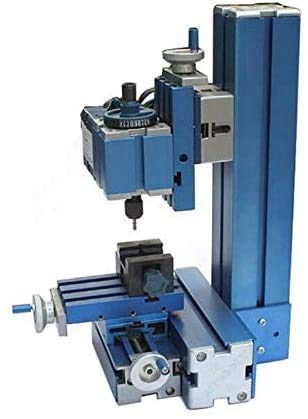
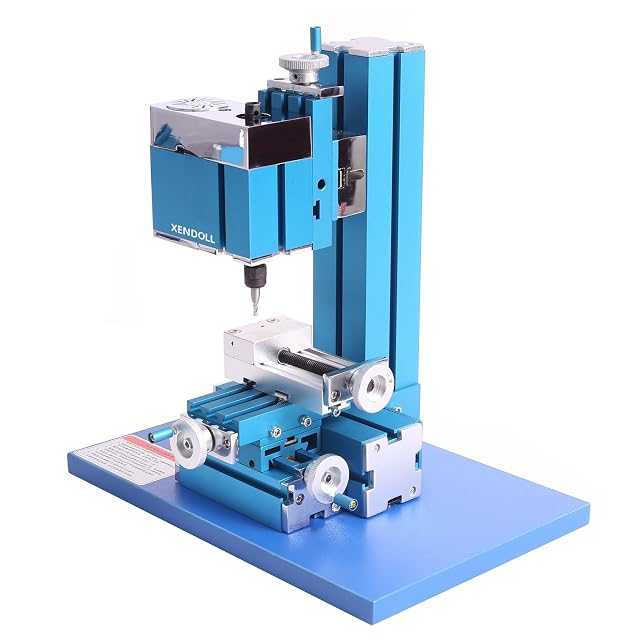
12 V DC · lathe and mill in one · tool-height shims · soft metals only
A 12-volt combination mini lathe and mill that supplies shims to set the tool height — the one adjustment that decides whether a small lathe cuts or rubs.
Best for: Teaching turning and milling on one machine, in wood, plastic and pure copper or aluminum
7 in swing · 14 in centers · 2,500 rpm variable · reversible · DRO
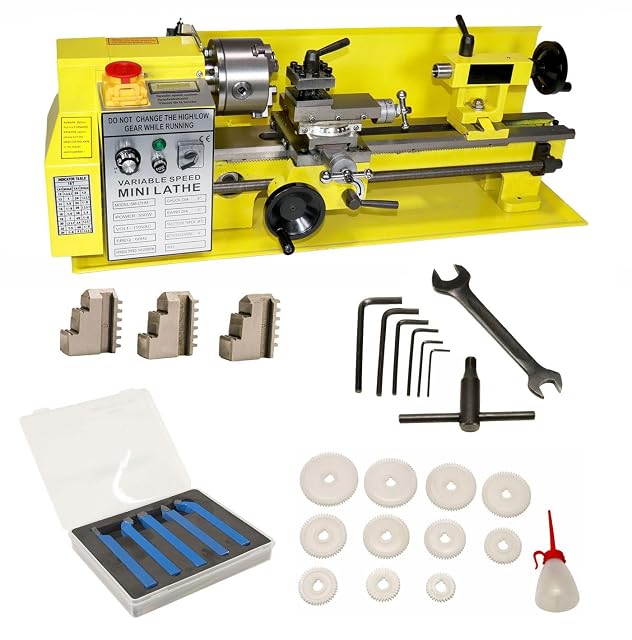
The only real metal lathe in the American half of this hub — 7 by 14 inches, variable to 2,500 rpm, reversible for left-hand threads, with a digital readout and a cutter kit.
Best for: Turning steel parts on a bench, where the tooling has to come with the machine