Skip to content

MTC AlSi5 aluminium electrodes Ø 2.5–3.2 × 350 mm

Aluminum rods for a stick machine — a real technique with a narrow window and no room for hesitation.

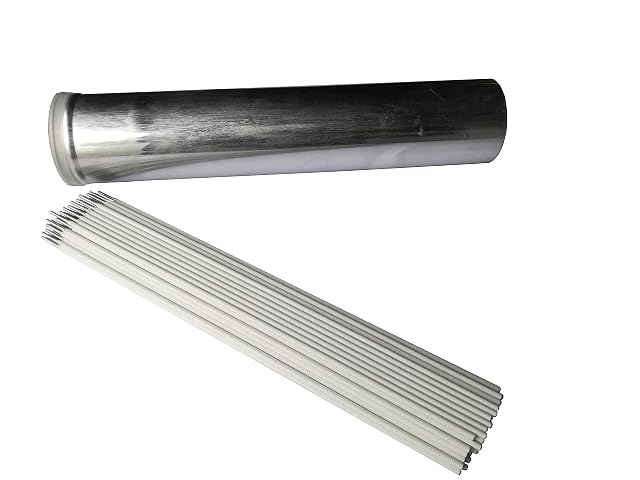
MTC AlSi5 aluminium electrodes Ø 2.5–3.2 × 350 mm, product photograph

MTC AlSi5 aluminium electrodes Ø 2.5–3.2 × 350 mm

Aluminum rods for a stick machine — a real technique with a narrow window and no room for hesitation.

Alloy
AlSi5
Diameters
2.5 and 3.2 mm (0.13 in)
Length
350 mm (13.8 in)
Process
MMA (stick)
Amazon reference
B08KG9DK1F
EAN
0670036746946
  • Aluminum repair without a TIG set or a spool gun
  • AlSi5 is the same alloy family as ER4043 MIG wire — forgiving and crack-resistant
  • Aluminum MMA is unforgiving: the pool forms suddenly and the rod burns fast

Best for: Field repairs on cast or thick aluminum where no TIG machine is available
Search Amazon for this model

Specifications

Alloy
AlSi5
Diameters
2.5 and 3.2 mm (0.13 in)
Length
350 mm (13.8 in)
Process
MMA (stick)
Amazon reference
B08KG9DK1F
EAN
0670036746946

Preheat is part of the process

Aluminum conducts heat away from the arc faster than steel, so on anything thick the surrounding metal steals the energy and the weld never fuses. Preheating to around 150 °C (302 °F) — hot enough that water spits — puts the section closer to fusion temperature and makes the weld possible.

Clean, then clean again

Aluminum oxide melts far hotter than the metal beneath it, and it re-forms in minutes. Wire-brush the joint with a stainless brush kept for aluminum alone, and weld immediately.

Sources

Every figure above comes from the manufacturer’s published specification for this reference. Fields the listing does not publish are left out rather than estimated. Market availability was verified per market on the EAN.

The questions welders ask

Is stick welding aluminum actually viable?

For repairs, yes — with practice and low expectations of appearance. The difficulty is that aluminum gives no color warning before it melts: the surface looks unchanged and then the pool drops. Rods burn quickly and the technique is fast, continuous and committed. It is a genuine skill rather than a shortcut.

When should I use TIG instead?

Whenever it is available and the part matters. AC TIG breaks the oxide layer under a controlled arc, gives you a foot pedal for heat, and produces a weld you can be proud of. Stick aluminum exists for the situations where the part cannot come to the workshop.

Welders this fits

All stick electrodes

Prices quoted in these summaries are dated readings. The live price is shown next to each product.