Skip to content

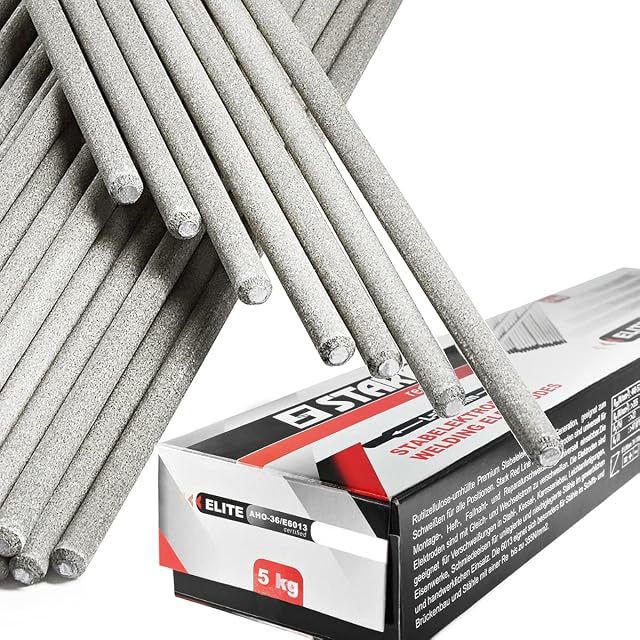
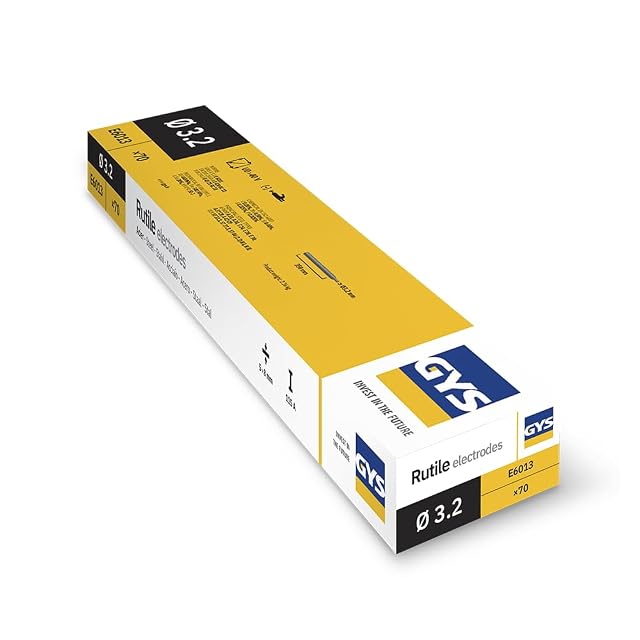
GYS E6013 rutile Ø 3.2 mm, 70 rods

E6013 is the rod that lights easily and forgives — the one to learn on and the one most repairs want.

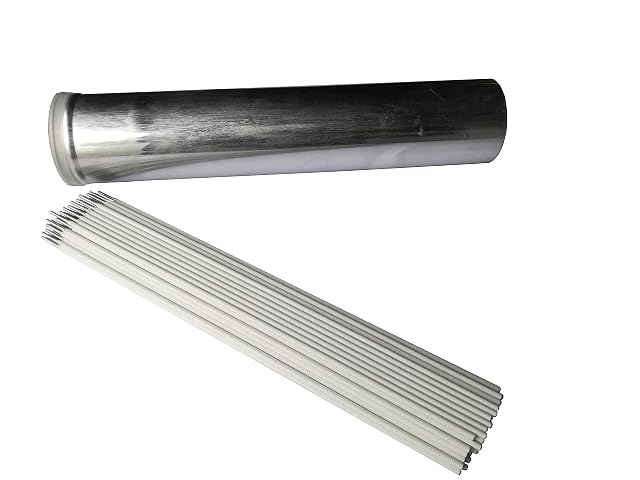
GYS E6013 rutile Ø 3.2 mm, 70 rods, product photograph

GYS E6013 rutile Ø 3.2 mm, 70 rods

E6013 is the rod that lights easily and forgives — the one to learn on and the one most repairs want.

Classification
E6013, rutile coating
Diameter
3.2 mm (0.13 in)
Quantity
70 rods
Material
Steel
Amazon reference
B00C7R7OMG
EAN
3154020085145
  • Rutile rods strike easily and re-strike after a pause, which basic rods do not
  • A smooth, tidy bead with slag that lifts cleanly
  • Lower strength and less crack resistance than a basic (low-hydrogen) rod

Best for: General repair welding in 4–8 mm (0.16 to 0.31 in) steel, and for anyone learning
Check price on Amazon

Specifications

Classification
E6013, rutile coating
Diameter
3.2 mm (0.13 in)
Quantity
70 rods
Material
Steel
Amazon reference
B00C7R7OMG
EAN
3154020085145

Why rutile is the beginner’s rod

The coating stabilizes the arc and produces a slag that covers the bead evenly and lifts off in one piece. It re-strikes after a pause without chipping the tip clean, which is where basic rods lose their reputation with newcomers.

Match the rod to the machine

3.2 mm (0.13 in) rods want 100 to 140 A. On a 160 A machine that is comfortable; on a small 90 A inverter it is beyond reach, and the result is a rod that sticks and a bead that sits on the surface. Buy 2.5 mm (0.10 in) for the smaller machines on this site.

Sources

Every figure above comes from the manufacturer’s published specification for this reference. Fields the listing does not publish are left out rather than estimated. Market availability was verified per market on the EAN.

The questions welders ask

What does E6013 actually tell me?

Three things. 60 is the tensile strength in thousands of pounds per square inch; 1 means it welds in all positions; 3 identifies the coating and current type — rutile, running on AC or DC. The practical translation: a forgiving, all-position rod of moderate strength, which is exactly what most repair work needs.

When should I use basic rods instead?

When the joint is thick, restrained, or safety-critical — a trailer hitch, a structural bracket, anything that will be loaded and cannot be allowed to crack. Basic low-hydrogen rods give stronger, tougher welds and demand more: higher current, a steadier hand, dry storage and a machine with the voltage to strike them.

Welders this fits

All stick electrodes

Prices quoted in these summaries are dated readings. The live price is shown next to each product.