Skip to content

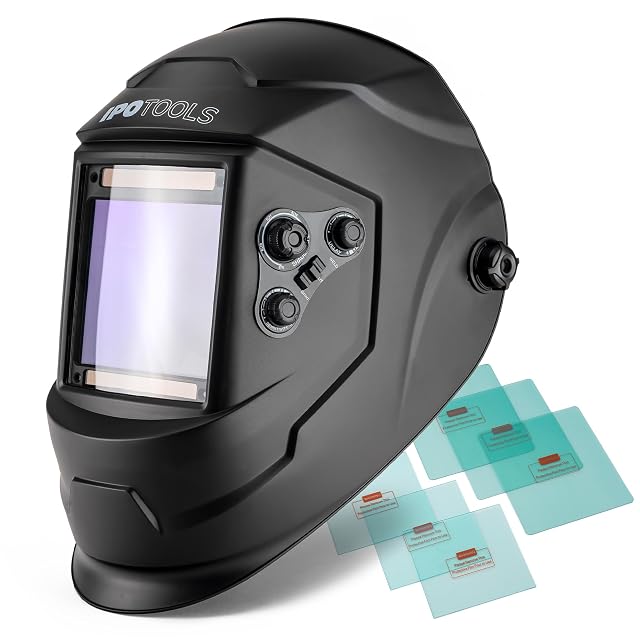
IPOTOOLS LY800H

A published viewing area — 100 × 93 mm (3.94 × 3.66 in) — which is the one helmet figure you can actually compare.

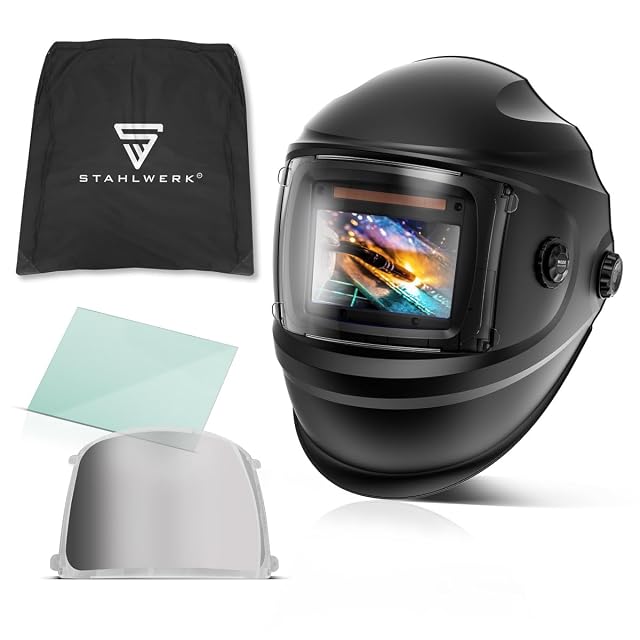
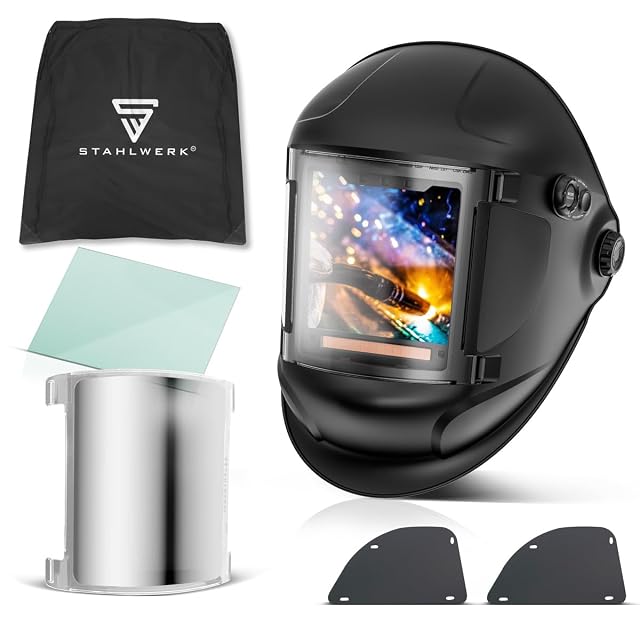
IPOTOOLS LY800H, product photograph

IPOTOOLS LY800H

A published viewing area — 100 × 93 mm (3.94 × 3.66 in) — which is the one helmet figure you can actually compare.

Type
Auto-darkening, True Color
Viewing area
100 × 93 mm (3.94 × 3.66 in)
Amazon reference
B07V42K7NH
EAN
4251395106914
  • A published viewing area, which no other European helmet listing here gives
  • A large window means less head movement to follow a long seam
  • Switching time and optical class still not published

Best for: Long seams and awkward positions, where a small window forces you to move your head
Search Amazon for this model

Specifications

Type
Auto-darkening, True Color
Viewing area
100 × 93 mm (3.94 × 3.66 in)
Amazon reference
B07V42K7NH
EAN
4251395106914

Why the window is the number

It is the only helmet specification that is intuitive and verifiable: 100 × 93 mm (3.94 × 3.66 in) is a rectangle you can draw. Everything else on a helmet listing tends to be adjectives.

Weight is the trade

A bigger cartridge sits further forward and weighs more, so a large-window helmet is more tiring to wear than a small one. Adjust the headgear properly — most neck ache from welding is a badly set ratchet rather than the helmet itself.

Sources

Every figure above comes from the manufacturer’s published specification for this reference. Fields the listing does not publish are left out rather than estimated. Market availability was verified per market on the EAN.

The questions welders ask

How much difference does window size make?

It changes how much of the work you see without moving. A small window shows the arc and little else, so you track a long seam by moving your whole head; a 100 × 93 mm (3.94 × 3.66 in) window shows the joint ahead and behind, which makes a straight bead easier and awkward positions less blind. It is the most useful published number on a helmet.

What would I still want to know?

Optical class — the four digits like 1/1/1/1 — and switching time in milliseconds. Optical class describes distortion, diffusion and uniformity across the lens; switching time describes how fast the cartridge reacts. Neither is published here, and both are worth asking about above €50.

Welders this fits

All helmets & ppe

Prices quoted in these summaries are dated readings. The live price is shown next to each product.