Skip to content

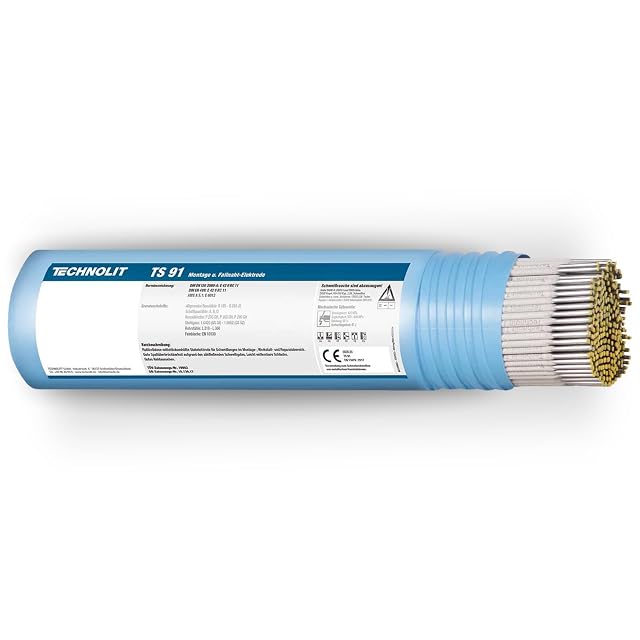
TECHNOLIT TS 91 Ø 2.5 mm, 2 kg

A rutile-cellulose coating: a more aggressive arc that digs in, for less-than-clean steel.

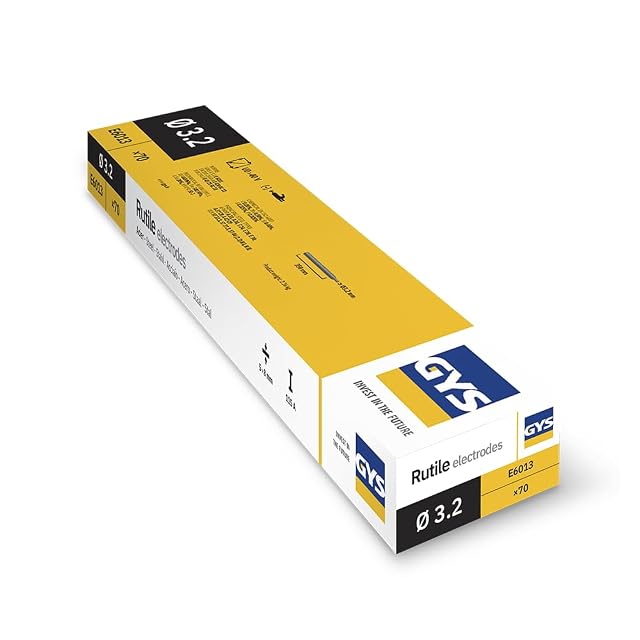
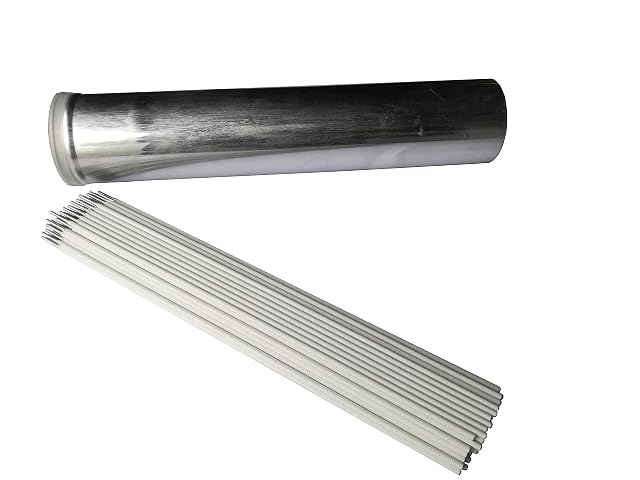
TECHNOLIT TS 91 Ø 2.5 mm, 2 kg, product photograph

TECHNOLIT TS 91 Ø 2.5 mm, 2 kg

A rutile-cellulose coating: a more aggressive arc that digs in, for less-than-clean steel.

Coating
Rutile-cellulose
Diameter
2.5 mm (0.10 in)
Weight
2 kg (4.4 lb)
Amazon reference
B0FMRNF22P
EAN
4250887760894
  • A deeper, more penetrating arc than plain rutile
  • 2.5 mm (0.10 in) suits the 90–130 A range that most small inverters deliver comfortably
  • More spatter than a plain rutile rod

Best for: Repair welds on steel that is not perfectly clean, with a small machine
Check price on Amazon

Specifications

Coating
Rutile-cellulose
Diameter
2.5 mm (0.10 in)
Weight
2 kg (4.4 lb)
Amazon reference
B0FMRNF22P
EAN
4250887760894

Between rutile and basic

Plain rutile is easy and tidy; basic is strong and demanding. A rutile-cellulose rod sits between them — more penetration and more forgiveness of dirt than the first, less strength and dryness fuss than the second.

Keep it dry, still

Cellulose coatings hold moisture readily, and damp cellulose is a porosity generator. A sealed container is the minimum, and rods that have been open in a damp shed for a season are best treated as practice stock.

Sources

Every figure above comes from the manufacturer’s published specification for this reference. Fields the listing does not publish are left out rather than estimated. Market availability was verified per market on the EAN.

The questions welders ask

What does cellulose in the coating do?

It burns to produce a gas shield with hydrogen in it, which makes the arc hotter, deeper and more forceful. That digs through light rust, paint and mill scale better than a plain rutile rod, at the cost of more spatter and a rougher bead. It is why cellulosic rods are traditional for pipeline root runs.

Why is 2.5 mm (0.10 in) the useful size on a small machine?

Because it runs at roughly 70 to 110 A, which is where a 140 to 160 A inverter is comfortable and stable. A 3.2 mm (0.13 in) rod at 130 A pushes the same machine to its limit, where duty cycle and arc stability both suffer.

Welders this fits

All stick electrodes

Prices quoted in these summaries are dated readings. The live price is shown next to each product.