Skip to content

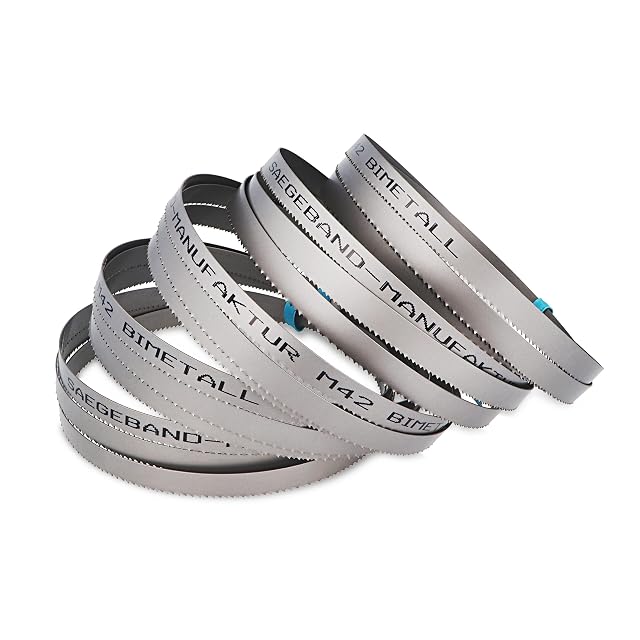
Metallkraft Bi-metal M42 Sprint 1735 × 13 × 0.9, 6–10 TPI

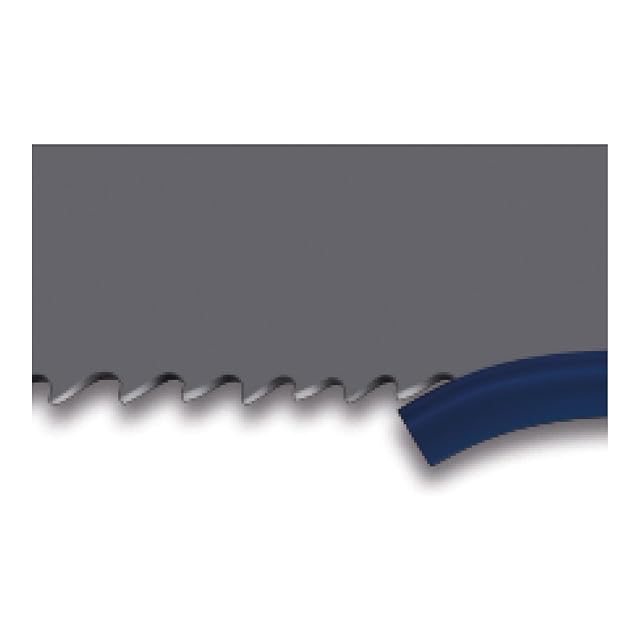
A variable 6–10 tooth pitch, which is what stops a blade juddering on tube.

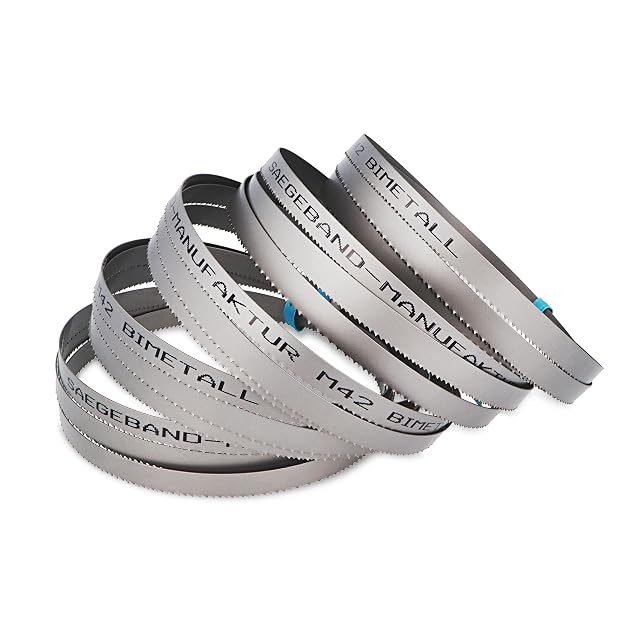
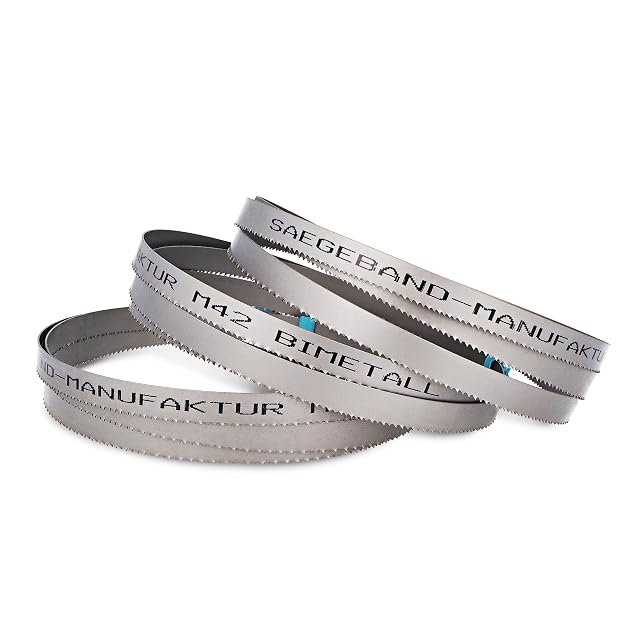
Metallkraft Bi-metal M42 Sprint 1735 × 13 × 0.9, 6–10 TPI, product photograph

Metallkraft Bi-metal M42 Sprint 1735 × 13 × 0.9, 6–10 TPI

A variable 6–10 tooth pitch, which is what stops a blade juddering on tube.

Type
Bi-metal M42
Dimensions
1735 × 13 × 0.9 mm (68.3 × 0.51 × 0.04 in)
Pitch
6–10 teeth per inch, variable
Suited to
Small and medium wall thicknesses
Amazon reference
B07T157WYF
EAN
4036351036975
  • Variable pitch damps the harmonic that makes a constant-pitch blade judder
  • M42 bi-metal: a high-speed-steel edge welded to a flexible backing
  • Blade length is machine-specific — 1735 mm (68.3 in) fits only saws built for it

Best for: General cutting of solid bar and thicker-walled section

≈ $59
Check price on Amazon
Specifications

Type
Bi-metal M42
Dimensions
1735 × 13 × 0.9 mm (68.3 × 0.51 × 0.04 in)
Pitch
6–10 teeth per inch, variable
Suited to
Small and medium wall thicknesses
Amazon reference
B07T157WYF
EAN
4036351036975

M42 is the standard worth paying for

A bi-metal blade has a high-speed-steel cutting edge electron-beam welded to a spring steel back. The edge holds hardness at cutting temperature; the back flexes around the wheels without cracking. Carbon blades are cheaper and blunt quickly in steel.

Three teeth in the cut

The rule that governs pitch choice: at least three teeth should be engaged at any moment. On 3 mm (0.12 in) wall tube, 6–10 TPI is marginal; on 20 mm (0.79 in) solid bar it is right. Choose the pitch for the thinnest wall you cut, not the thickest.

Sources

Every figure above comes from the manufacturer’s published specification for this reference. Fields the listing does not publish are left out rather than estimated. Market availability was verified per market on the EAN.

The questions welders ask

How do I read « 1735 × 13 × 0.9 »?

Length, width, thickness, all in millimeters. Length must match your saw exactly — it is set by the wheel centers and the tension range. Width affects how tight a curve the blade can follow and how much beam strength it has; thickness affects flexibility around the wheels. Only the length is non-negotiable.

What does variable pitch do?

It breaks up the resonance. A constant-pitch blade meets the workpiece at a fixed frequency, which sets up a judder that you hear and see in the cut. Varying the tooth spacing spreads that across a band of frequencies, so the cut is quieter, smoother and kinder to the teeth.

Welders this fits

All metal saw blades

Prices quoted in these summaries are dated readings. The live price is shown next to each product.